Saturday, August 9, 2025

Tale of The Old World: Historic Trip Across the Middle East & North Africa

/

Introduction

First World travelers crave opulence. As a result, most of their itineraries include Western countries like France, Italy, or Spain. There is no denying that Western travel experiences are great. However, the Middle East and Northern Africa also harbor a rustic charm.

 In this article, we encourage Americans to explore places that are out of the ordinary. This is why we will be listing some of the best places to visit. The best part is that we understand people’s requirements. 

As a result, almost all of the names on this list can be accessed via private jet services. Therefore, let us begin!

Best Places To Explore In Northern Africa & The Middle East

The places we will be listing may not be unknown, but they are certainly off the beaten path. However, even though the list is numbered, it is not a ranking list by any means. Over here, we will be listing some of the best places you can visit in the Middle East and North Africa. 

1. Cairo, Egypt

Cairo is one of the most iconic cities in Egypt. Home to countless ancient Egyptian wonders, including the Pyramids of Giza, Al-Azhar Mosque, and Saqqara. Walk the city streets and you’ll see a unique juxtaposition between 19th-century buildings and rustic charm. 

The city is banked just beside the ever-giving River Nile. Therefore, the town held immense political power in the old times. Hence, a deep-seated, old-world opulence lies hidden beneath the sands of time. Locals refer to the city as the ‘Mother of the World’ due to its political and aesthetic supremacy. 

2. Istanbul, Turkey

For centuries, Istanbul has served as a confluence point between the East and the West. This shows how the city is built. The city is a diverse mix of people who have come together to share art, food, and culture. 

Istanbul is deeply aware of its heritage from the past. Iconic locations, such as the Silk Road, Old World Churches, and Palaces, make the city worthy of exploration. If you are a gastronomic traveler, you can also find your crowd here, as the town boasts one of the finest chefs who cook iconic foods. 

3. Marrakech, Morocco

Marrakech is a vibrant explosion of colors, sounds, and rich artisan heritage. The city hosts some of the best and most iconic-looking medinas of all time. The historic locations of Marrakech are laden with sights and sounds that are unparalleled. 

The streets of Marrakech also reflect the location’s innate beauty. Every street, every shop, and lane is bustling with life, color, and flavors. If you want to experience opulent architecture, you can rest easy, as the location boasts some of the most intricately designed structures. 

4. Jerusalem, Israel

Jerusalem is a testament to sheer human resilience. The city has been attacked and destroyed countless times in the last two millennia. The absolute spiritual allure and the magnetism of the city radiate from every street corner of the historic city. 

Apart from its religious and spiritual essence, there is also a modern side to it. And the food is a different conversation altogether. All in all, the city offers something for everyone. Therefore, do not miss this archaic, yet modern marvel that seems like something out of time. 

5. Petra, Jordan

Petra is one of the most underrated places in the world. The iconic thing about Petra is that it was carved out of a rock cliff. This makes the location even more iconic and awe-inspiring. The carvings may have become jaded, but their appeal remains noteworthy. 

Petra is a testament to the old-world engineering and innovation. The way the structures are well-connected through hiking trails and meandering passages is both confusing and interesting at the same time. 

Bonus: Luxor, Egypt

Last but not least, we would like to talk about Luxor. Luxor is one of the most fascinating museums in the Middle East. The museum houses some of the most iconic pieces of old history. This makes Luxor a must-visit for anybody looking to explore history. 

The Wrap

The Middle East and North Africa are among the most underrated regions in the world. The reason many people avoid it is due to the tumultuous political situations that often erupt. Still, these places harbor some of the best explorable locations out there. Therefore, take that trip because you will not regret it for a second. 

The post Tale of The Old World: Historic Trip Across the Middle East & North Africa appeared first on American Travel Blogger.

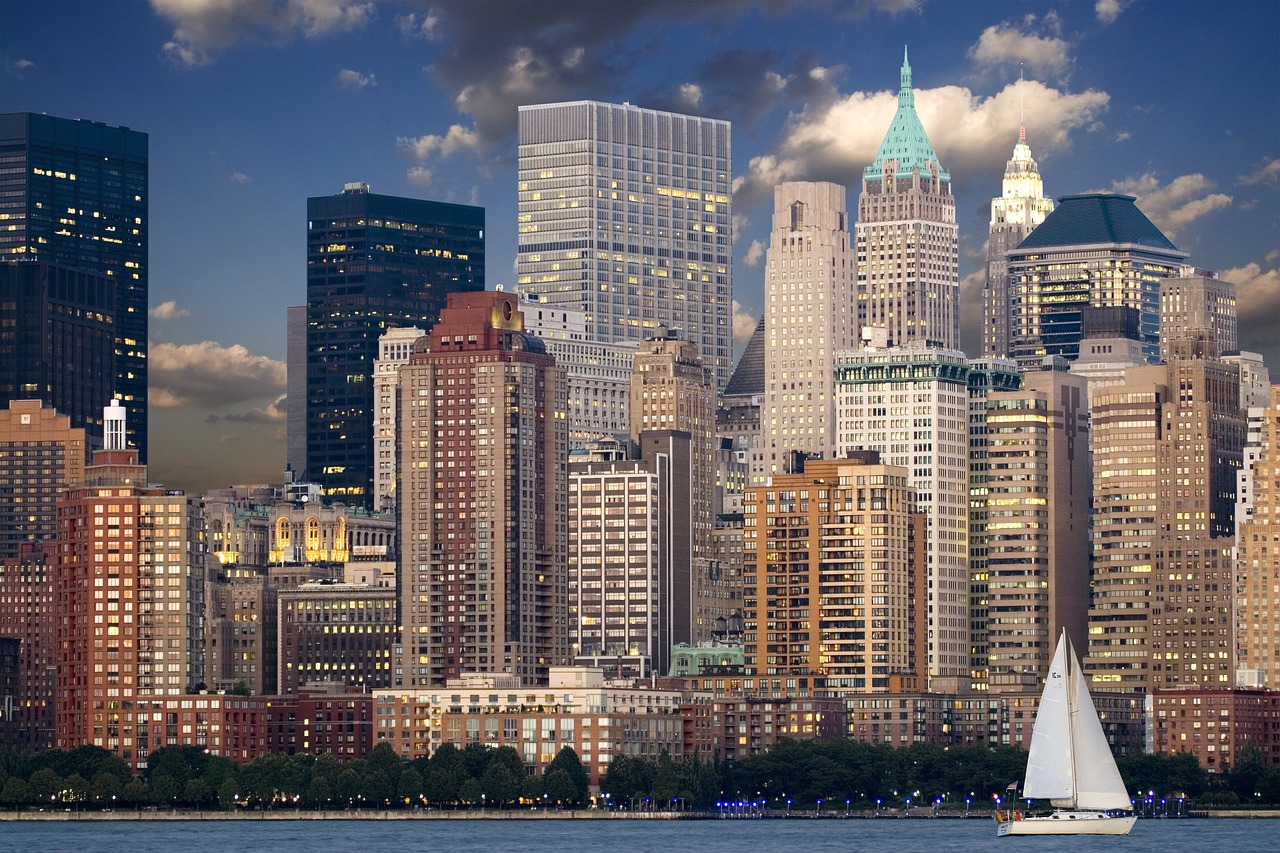
Discovering Zion: Why This National Park Should Be on Your Bucket List

/

Zion National Park is a place where towering sandstone cliffs glow in hues of red, pink, and cream, and the Virgin River winds through canyons carved over millions of years. The energy here is palpable—every sunrise paints the canyon walls with new colors, and every sunset brings a hush over the vast, sculpted landscape. If you’re searching for fun things to do in Zion National Park, you’re in the right place. This guide is your all-in-one resource, covering not just hiking but a full spectrum of activities, planning tips, and insider secrets for an unforgettable Zion adventure.

What makes Zion so special? Beyond its mesmerizing beauty, Zion is one of the most visited national parks in the United States, attracting nearly 5 million visitors annually. Its iconic features—the Virgin River, dramatic cliffs, and diverse ecosystems—make it a must-see destination for adventurers, families, and nature lovers alike.

Know Before You Go: Essential Zion Planning Tips

Planning is key to making the most of your Zion experience. Here’s what to do in Zion National Park before you even set foot on a trail.

Navigating the Park: Shuttles, Parking, and Passes

  • Private vehicles are not allowed on the Zion Canyon Scenic Drive for most of the year. Instead, use the free shuttle system that runs from the Zion Canyon Visitor Center, making frequent stops at all major trailheads and viewpoints.
  • Parking at the Visitor Center fills up early—often before 8 AM. Consider parking in Springdale and taking the town’s free shuttle to the park entrance.
  • Park entrance passes are required. If you plan to visit several national parks, the America the Beautiful Annual Pass is a great value.

Securing Permits for Iconic Adventures

  • Angels Landing now requires a permit, which can be obtained through a lottery system. Apply well in advance, as demand is high.
  • The Narrows (top-down hike) also requires a permit, while the popular bottom-up hike does not.
  • Always check the official NPS website for the latest permit details and application windows.

World-Class Hiking: Trails for Every Skill Level

Zion’s trails offer something for everyone, from gentle riverside strolls to heart-pounding climbs. Here are the best things to see in Zion National Park, organized by difficulty. 

Easy & family-friendly hikes

  • Pa’rus Trail: Paved, 3.5 miles round-trip, and the only trail open to both bikes and leashed pets. Enjoy scenic views of the Virgin River and The Watchman.
  • Riverside Walk: A lush, paved 2.2-mile round-trip trail following the Virgin River. It’s the gateway to The Narrows and a beautiful destination on its own.
  • Lower Emerald Pool Trail: This 1.2-mile round-trip paved path leads to a waterfall and serene pool. It’s popular and can get crowded.

Moderate hikes with rewarding views

  • Canyon Overlook Trail: A 1-mile round-trip hike with dramatic views similar to Angels Landing, minus the extreme heights. Expect rocky sections and drop-offs.
  • Weeping Rock Trail: Short but steep (0.4 miles), ending at a rock alcove with dripping springs and hanging gardens.
  • The Grotto Trail: A flat, half-mile path connecting Zion Lodge to the Grotto shuttle stop—perfect for a stroll.

Strenuous hikes for the adventurous

  • Angels Landing: Not for the faint of heart! This 5.4-mile hike features chains and steep drop-offs, but rewards with 360-degree canyon views. Permit required.
  • The Narrows (Bottom-Up): Hike in the Virgin River—no permit needed for the bottom-up day hike. Rent water shoes and a walking stick in Springdale, and always check flash flood warnings.
  • The Subway: A technical, 9-mile canyoneering adventure requiring a permit, route-finding, and often rappelling for experienced hikers only.

Remember to stay dehydrated with this sleek black beverage cooler or something similar, wear comfortable clothing and the proper footwear. Some hikes may have water for wading so it’s a good idea to wear a swimsuit under your clothes.

Things to do Beyond the Trails

There’s so much more to Zion than hiking. Discover these Zion activities and attractions near Zion National Park for a truly memorable visit.

Scenic drives & photography

  • Zion-Mount Carmel Highway: This 12-mile route connects Zion’s south and east entrances, featuring a 1.1-mile tunnel and countless pullouts for breathtaking photos of the park’s grandeur.

Canyoneering, biking, and river fun

  • Canyoneering: Explore slot canyons with a guide—perfect for adventurous beginners and experts alike.
  • Biking/E-Biking: Rent bikes in Springdale to ride the Pa’rus Trail or Zion Canyon Scenic Drive, enjoying flexibility and freedom from shuttle schedules.
  • Swimming & Tubing: Cool off in the Virgin River near the Pa’rus Trail or Canyon Junction, which is especially refreshing in the summer.

Stargazing and wildlife watching

  • Stargazing: Zion is an International Dark Sky Park. Head to the Pa’rus Trail or Kolob Canyons for stunning Milky Way views.
  • Wildlife Spotting: Watch for mule deer along the river, bighorn sheep on the cliffs, and, if you’re lucky, the rare California Condor soaring overhead.

Zion National Park FAQ

What is the main attraction in Zion National Park?

The main attraction is Zion Canyon, a 15-mile-long gorge carved by the Virgin River, home to iconic hikes such as The Narrows and Angels Landing.


How many days do you need to see Zion?

In 1 day, you can enjoy a scenic drive and a short hike. Allow two to three days to experience several major trails and activities. Allowing four to five days allows for a relaxed pace and exploration of areas like Kolob Canyons.

Can you do Zion without hiking?

Absolutely! Enjoy scenic drives, the shuttle tour, visitor center exhibits, wildlife watching, and the vibrant town of Springdale.

Your Unforgettable Zion Adventure Awaits

Zion National Park is more than a destination—it’s a collection of unforgettable experiences, from tranquil river walks and thrilling cliffside hikes to stargazing in the dark sky and savoring local flavors in Springdale. Whether you’re an avid hiker or just looking for fun in Zion National Park, start planning your bucket-list adventure today.

The post Discovering Zion: Why This National Park Should Be on Your Bucket List appeared first on American Travel Blogger.
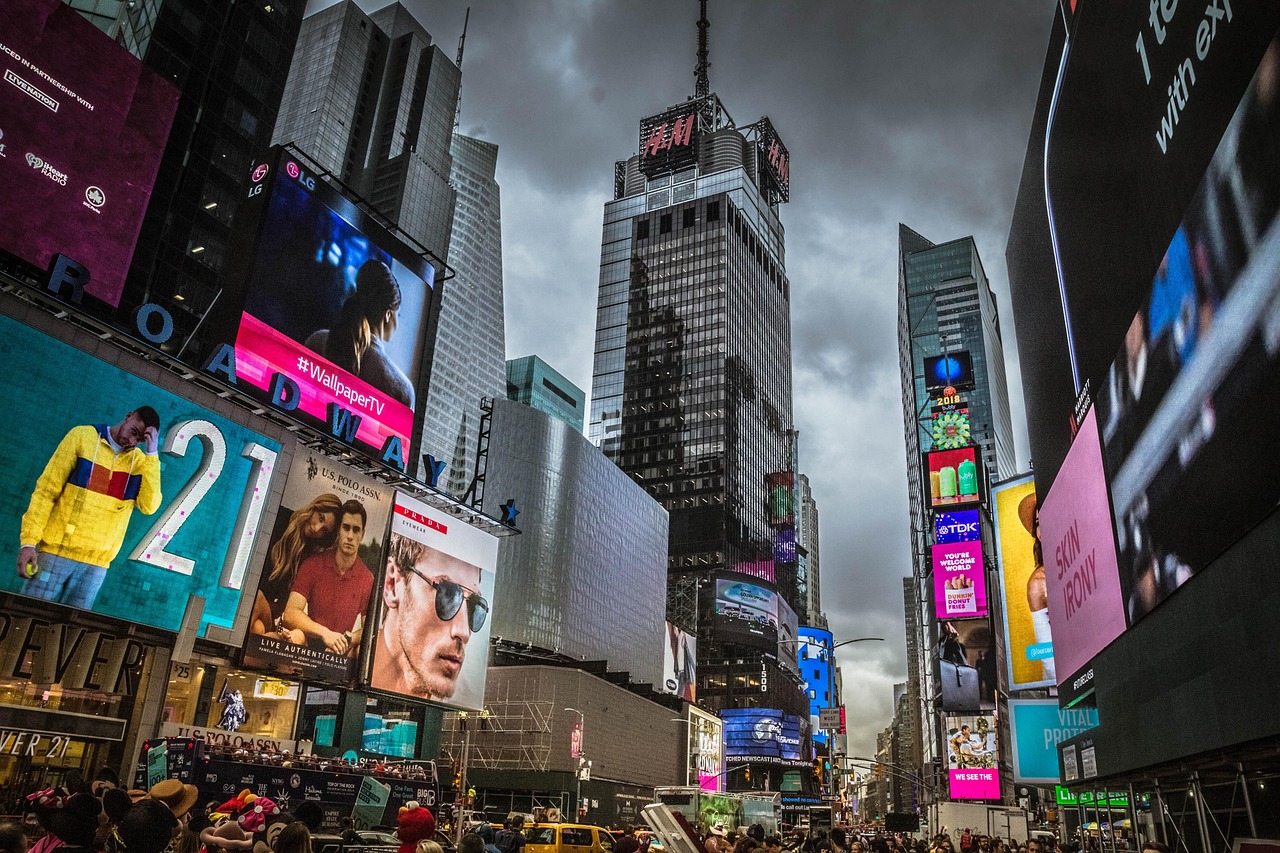
These 6 TED Talks will change the way You think about travel

/

Travel is more than sightseeing, bucket lists, and passport stamps. It’s about connection, culture, identity — and sometimes, confrontation with ourselves.

Whether you’re a curious traveler, a tourism professional, or simply someone who loves deep conversations about the world, these 6 TED Talks will expand your perspective. They’re not just inspirational — they’re transformational.

 1. Ruben Santopietro – “Are We Really Made to Travel?”

TEDxPadova | 2025 | 9 minutes

Ruben Santopietro, CEO of Visit Italy and a leading voice in tourism innovation, explores the rise of the Checklist Era, where travel becomes performance over purpose. A brilliant reflection that will change the way you see travel — and why we do it in the first place.

 2. Doug Lansky – “How to Fix Tourism”

TEDxStockholm | 18 minutes

In this sharp and witty talk, Doug Lansky exposes the paradoxes of modern tourism: overcrowded destinations, staged experiences, and destinations losing their soul. With examples from Venice to Iceland, Lansky explains why the current tourism model is broken — and how we can fix it with smarter planning and more responsible choices. Perfect for anyone tired of “souvenir cities.”

 3. Aziz Abu Sarah – “For More Tolerance, We Need More Tourism”

TED | 12 minutes

Aziz Abu Sarah grew up in Jerusalem and saw conflict from a very young age. His TED Talk shows how travel helped him see the other side — literally. Through cross-cultural tourism and human contact, he believes that travel can create peace, empathy, and understanding where politics often fail. An emotional and powerful case for tourism as a tool for diplomacy.

 4. Tony Wheeler – “The Road Less Traveled”

TEDxQueenstown | 14 minutes

Tony Wheeler, co-founder of Lonely Planet, reflects on a life of exploration. He makes the case for venturing beyond the obvious — for choosing the lesser-known town over the famous capital, the dirt road over the highway. With the voice of a true traveler, he reminds us that some of the best stories begin where guidebooks end.

 5. Pico Iyer – “Where Is Home?”

TEDGlobal | 14 minutes

For those who’ve lived between cultures or countries, Pico Iyer’s question hits deep: where is home? This beautifully spoken talk explores identity, belonging, and what it means to be rooted — or not — in a world where we’re constantly moving. A poetic reflection for digital nomads, immigrants, and long-term travelers alike.

 6. Luis Vargas – “Travel More. Buy Less.”

TEDx | 14 minutes

Luis Vargas, a travel advocate and minimalist, encourages viewers to prioritize experiences over possessions. In this energetic, relatable talk, he shares how embracing fewer material items can lead to richer travel adventures — and why the greatest memories come from stories, not souvenirs.

Final Thoughts 

These TED Talks go far beyond typical travel inspiration. They ask the deeper questions: Why do we travel? Who benefits? What impact do we leave behind?

If you’re planning your next trip — or even just daydreaming about one — start with these talks. They might just change your direction.

The post These 6 TED Talks will change the way You think about travel appeared first on American Travel Blogger.
Friday, August 8, 2025

The Best 3-Day itinerary for New York City

/

New York City is one of the most interesting and exciting cities in the world. Visitors frequently have to make the most of their short time because there are so many landmarks, museums, neighborhoods, and cultural events to see and do. This three-day plan has a good mix of important places, architectural highlights, local character, and beautiful views. So if you are planning a 3 days trip to NYC, This next itinerary is the best one you will find. Let’s start.

Day 1: The Waterfront and Lower Manhattan

Morning: The 9/11 Memorial and the Financial District

Begin at Battery Park to see the Statue of Liberty.  The Staten Island Ferry is a free and easy way to get great pictures of both the statue and the skyline.  From there, head north through the Financial District, where you can see historical sites like the Federal Hall and the New York Stock Exchange.

The 9/11 Memorial is worth seeing because of its careful design and meaning.  The memorial plaza, with its two reflecting pools, is a good place to think.  Visitors don’t have to pay to get into the museum next door, but many people think it’s worth it.

SoHo, Little Italy, and Chinatown in the afternoon

Go north into SoHo, which is noted for its cast-iron structures and modern art galleries.  Little Italy and Chinatown, which are close by, have different types of food and give you a look into New York’s immigration heritage.  You may get hand-pulled noodles, Italian pastries, or traditional foods from street sellers in this region.

In the evening, take a cruise on the Hudson River to see the sights.

A cruise in New York is definitely something not to be missed when visiting NYC. Take a sunset sightseeing boat from the West Side or Lower Manhattan to end the day.  Several companies offer excursions that last between 60 and 90 minutes and go past the Statue of Liberty, Ellis Island, and the Brooklyn Bridge. They also give a general idea of how Manhattan is laid out. These cruises, especially the ones that leave at the golden hour, are one of the best ways to see the size and layout of New York from a distance.

Our tip: You may book cruises ahead of time with companies like Circle Line, City Cruises, or Classic Harbor Line. Many of them provide special themed departures, such architectural tours, jazz cruises, or night cruises with commentary. You can find more information at cruiseinnewyork.com, which is one of the best sources we have found for details on all types of NYC cruises.

Day 2: The Cultural and Iconic Heart of Manhattan

Morning: The Metropolitan Museum of Art and Central Park

The 72nd Street entrance is the best way to get to Central Park. Walking pathways, bridges, and picturesque overlooks provide a peaceful way to get used to the city’s pace. The Metropolitan Museum of Art, one of the most important art museums in the world, is within walking distance. Set aside at least two hours to look around some of the galleries. The ancient Egyptian antiquities, European paintings, and American decorative arts give you a good idea of how many items the museum has.

In the afternoon, walk from Fifth Avenue to Times Square.

As you go south on Fifth Avenue, stop for a moment at famous buildings like Rockefeller Center and St. Patrick’s Cathedral.  The trek ends in Times Square, a famous shopping and entertainment center around the world.  The area might get busy, yet it is still a representation of what makes Manhattan unique.

Evening: Broadway or Rooftop View

You might want to go to a show in the Broadway Theater District, whether it’s a long-running musical or a new play that has gotten a lot of praise. People who want to see the whole city skyline can also go to rooftop lounges like 230 Fifth or The Skylark, which offer a classy way to conclude the day.

Day 3: Brooklyn and Different Points of View

Morning: DUMBO and the Brooklyn Bridge

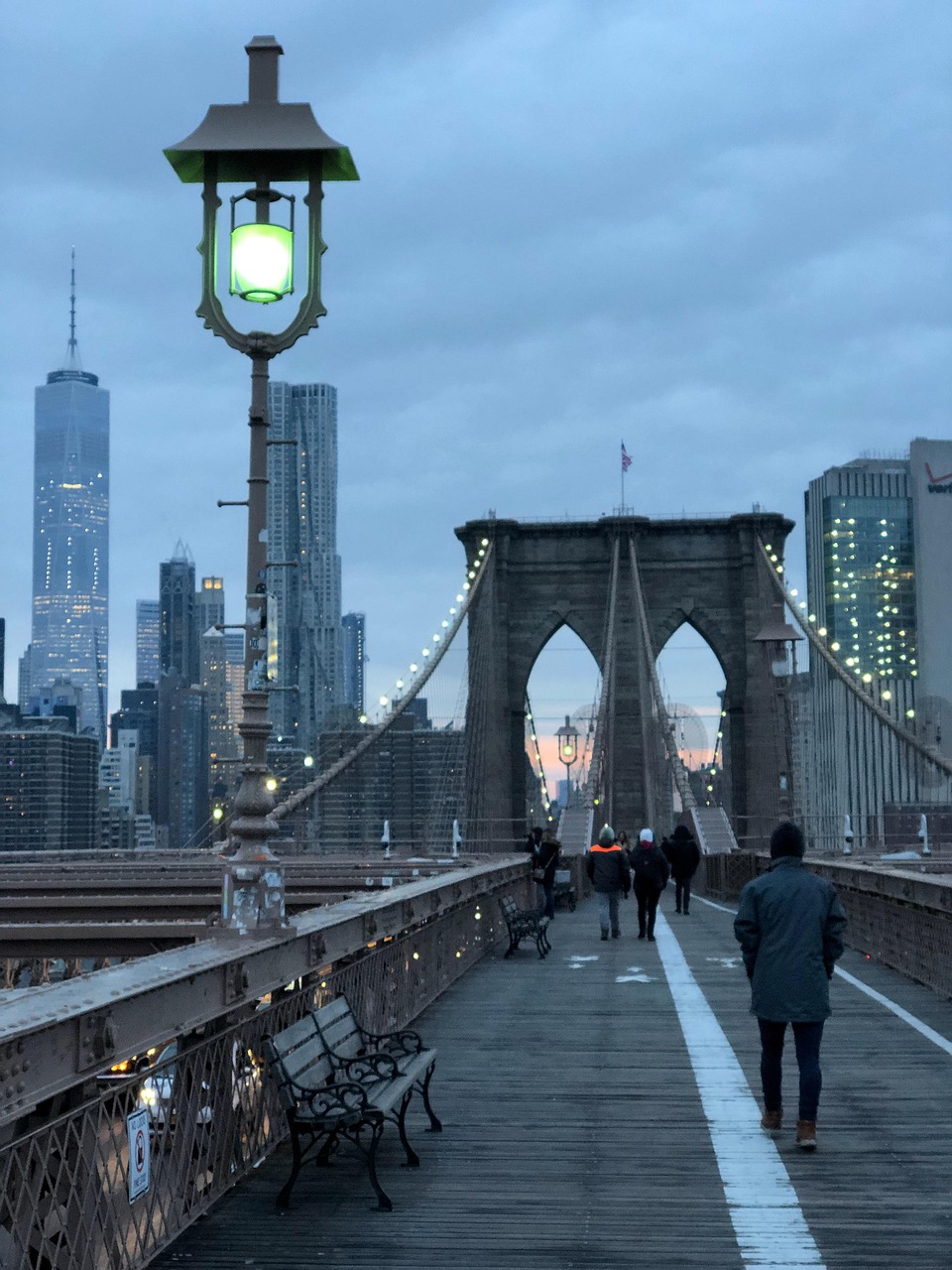
Walk across the Brooklyn Bridge in the early morning when there aren’t as many people on the promenade.  The bridge is 1.1 miles long and has views of the East River and Lower Manhattan.  When you get to DUMBO (Down Under the Manhattan Bridge Overpass), walk the waterfront route at Brooklyn Bridge Park to see the skyline and public art pieces without any obstructions.

In the afternoon, go to Prospect Park or Williamsburg.

There are two different choices for the afternoon:

Prospect Park is a calmer place to live. The same landscape architects who worked on Central Park also worked on this park. It has forested pathways, open lawns, and access to the Brooklyn Museum and Botanic Garden.

Williamsburg, on the other hand, has a modern, artsy vibe with its independent bookstores, vintage shops, and cafés.  It also has a number of tiny galleries and places to see performances.  Perfect for anyone who want to experience a more modern local culture.

Evening: A cultural goodbye in Brooklyn or Manhattan

For your last cultural encounter, go back to Manhattan. You may see a jazz show in Greenwich Village, go to a comedy club, or visit a museum that stays open late (like the Museum of Modern Art, depending on the day).  People who want to stay in Brooklyn can go to places like National Sawdust (for experimental music) or smaller local theaters.

The High Line is an elevated linear park that runs from Hudson Yards to the Meatpacking District. It has plants, views, and a tailored urban experience that makes for a peaceful end to the tour.

More notes and things to think about

Getting around: The New York City subway is the fastest and cheapest way to get from one borough to another.  Depending on how often you travel, a 7-day unlimited MetroCard can be worth it even if you only stay for 3 days.

Accommodation Zones: First-time tourists might want to stay in Midtown Manhattan because it’s close to transit and tourist spots.  Accommodations in Brooklyn are frequently cheaper and have a different pace.

Timing: Weekday mornings are frequently the ideal times to go to big museums and sites because there are fewer people there.  Weekends and evenings can be livelier, especially in places like Times Square and SoHo.

The post The Best 3-Day itinerary for New York City appeared first on American Travel Blogger.

Discovering Barcelona: A Guide to Culture, Cannabis, and Coffee Shops for Tourists

/

Barcelona, a city that perfectly blends centuries-old culture with modern lifestyle, continues to rank among Europe’s top tourist destinations. With its iconic architecture, Mediterranean beaches, and world-famous cuisine, it’s no surprise millions of travelers from around the world descend upon this Catalonian capital each year. But beyond the popular sights and tapas bars, there’s another side to Barcelona that intrigues curious visitors: the thriving cannabis scene. In particular, the concept of the coffee shop Barcelona tourists often hear about is gaining increasing attention—and for good reason.

A Cultural Hotspot with Endless Attractions

Barcelona has a wealth of what you should not miss out on. In the works of Antoni Gaudí at Sagrada Família and Park Güell, which display great detail and care for art, and at the also popular Pedralbes, which is less known, also the Gothic Quarter with its meandering streets and La Rambla, which is always a beehive of activity. Art goes to the Picasso Museum, sun seekers to the golden sands of Barceloneta, and sports fans to the hallowed grounds of Camp Nou.

As tourism changes, so do traveler expectations. Today many are seeking out more in-depth and alternative experiences, which in turn has them looking into the culture itself, which includes what may be the locals’s social and legal stands on cannabis.

Cannabis Culture in Barcelona

Private cannabis clubs. These are members-only, which offer a safe, regulated, and social setting for adults.

These clubs are a term for what in Amsterdam they may see, which is similar in name but very different in what they are. It is a different animal, really. Tourists that look into “coffee shop in Barcelona for tourists” will find out that they are not what they may expect—that they do not just walk in and out as one would a cafe. In fact, they are by members only and are nonprofit associations.

How to Join a Cannabis Coffee Shop in Barcelona

A tour at which tourists may join certain cannabis clubs is given if they adhere to the age requirement of 18 or 21 (which differentiates by club) and the private membership rules. That’s when sites like cannabisbcn prove to be very useful. If you’re looking for a coffee shop Barcelona tourists can visit, keep in mind that traditional coffee shops in Barcelona may not offer cannabis, as it is only legal in private clubs.

This site is a go-to resource for tourists and locals, which Cannabis BCN uses to break down cannabis laws in Spain for readers and to tell them about the clubs and how to get involved with the right associations. At Cannabis BCN, the platform puts forward access to chosen cannabis clubs and guides visitors through the registration process, which includes ID verification and a short orientation on the club’s rules and expectations.

What to Expect Inside a Coffee Shop in Barcelona

Once a tourist joins a cannabis club, they get to have a very different local experience. These clubs are very much a modern take on the space; some have art in them, music rooms, game areas, and also snack bars. Unlike the stereotypical smoke-filled rooms, in Barcelona some of the best coffee shops are very much like stylish coworking spaces or art cafes.

Members also have a large choice of cannabis strains, edibles, and accessories. The atmosphere is social and very respectful, and smoking takes place in designated areas. Also, many clubs put on their own events, which include art shows, live music, and film screenings, which add a cultural element to the experience.

The Rise of Cannabis Tourism in Barcelona

Barcelona has seen the rise of a subtle yet large-scale tourist attraction in the form of its cannabis clubs. For a lot of travelers, especially from countries that have stricter drug laws, these coffee shops are not about seeking out the high but instead about seeing how cannabis fits into a progressive and relaxed urban culture.

Cannabis is a growing sector within the travel industry, which is being seen as a valid niche. In that regard, forward-thinking cities like Barcelona are putting out policies that include health education and tourism support. Also in this space, Cannabis BCN does more than just provide access—the platform supplies info that helps to close the gap between what is legal and what is safe for the new users.

Responsible Tourism: Know Before You Go

Although cannabis is legal in certain cases, it is important to approach it responsibly. Here are some key points for tourists to keep in mind:

  • Do not purchase cannabis from the street. Street sales of that which is illegal are also unsafe.
  • Public use of cannabis is prohibited. Within clubs’ premises is the only allowed setting?
  • Join in on a club through reliable sources. At sites like cannabisbcn, tourists connect with proven clubs and avoid scams.
  • Present a valid ID. Most clubs will ask for a government-provided photo ID and proof of age.

Barcelona is a destination that does well by those tourists that are into that, which is respectful and informed. From its gothic architecture to the jazz nights in the cannabis clubs—by familiarizing themselves with local customs and regulations, tourists enhance the experience for all.

Where Culture Meets Curiosity

It is not common for a European city to have at large both ancient cathedrals and modern cannabis lounges, but that is what makes Barcelona a standout destination. The city is a sanctuary for travelers that go beyond the museums and markets. For the people who are into cannabis culture, the idea of a coffee shop Barcelona has to offer is very much a reality—if approached in the right way.

Platforms that are at the forefront of responsible cannabis tourism include Cannabis BCN, which is putting forward for travelers an amazing, safe, and legal way to get into Barcelona’s green scene. The platform represents a push for information and education and access to chosen clubs, thus making for a great and by-the-book experience in what is a very exciting city in Europe.

Conclusion

Barcelona is a city that goes beyond what you see in a postcard—it is a destination of experiences. From Gaudí to food, from football to friendly cannabis cafes, there is something for all types of travelers. If someone is planning their next getaway and is curious how to get into the local cannabis culture legally, they need look no further than cannabisbcn. It is the pathway to a more in-depth and authentic side of the city—one that invites tourists to learn, relax, and enjoy responsibly.

The post Discovering Barcelona: A Guide to Culture, Cannabis, and Coffee Shops for Tourists appeared first on American Travel Blogger.

5 Types Of Vacations That Everyone Should Experience At Least Once

/

We all love vacations. They are a time to break free from the monotony of daily life and create magical memories.

Most of us have a favorite type of trip, but the truth is that variety is the spice of life. With this in mind, mixing things up by enjoying a diverse range of adventures should be on everyone’s agenda. So, if you’re currently planning your next break and want to try something new, here are five options to consider.

The All-Inclusive Resort Trip

When thinking about the dream vacation, it’s likely that you’ll picture moments sitting around the pool in a sunny climate. Great food, entertainment, and massages are likely to feature too. Booking a week or two at one of the best Sandals resorts is the perfect way to make it a reality. The idyllic setting, luxury vibes, and calming mindset will make a trip to remember.

It’s a particularly beneficial solution in today’s high-stressed way of life. It is a chance to recharge the batteries and return home feeling truly refreshed.

The Outdoors Adventure

Outdoors adventures can be hard work. Nonetheless, spending time in nature is an amazing thing for the mind and soul. When you do this in a different country, you also gain a far better insight into the beauty of this planet. An African safari is the perfect opportunity to see animals in their natural habitats. Likewise, the beautiful backdrops will stay with you forever.

Alternatively, outdoors adventures may focus on camping, fishing, or hiking. Either way, the break from modern tech provides a renewed love of the planet. Embrace it.

The Tour 

What’s better than seeing one new destination? Visiting many. Tours can take many different forms, but they all guarantee that you return home having seen more of the world. Following your favorite music artist on a world tour or attending a major sports event are two examples. Combining travel with a genuine passion is sure to make the memories even sweeter.

Alternatively, cruises build the itinerary for you and let you see multiple places in one trip. The chance to rest in between different travel spots allows you to enjoy each place to the max.

The Solo Vacation

They say that travel broadens the mind and the opportunity to learn about yourself. There is no better way to escape your comfort zone and achieve self growth than a solo trip. Whether it’s backpacking or simply staying at a resort doesn’t matter. You will feel forced to make human connections and take control of situations in a new environment. The rewards are incredible.

Another option is to sign up for a volunteering scheme. You will gain an authentic look at the place you’re visiting, and it’s people, while also forming connections with other volunteers.

The City Break

If the goal of your trip is to see and do new things, a city break is ideal. If you look at the best things to do in New York City, for example, you’ll see that every day is an adventure. From sightseeing to catching a show, you won’t be short of options. As long as you pick the right city, you will never be short of things to do. And that includes enjoying beautiful meals.

Whether it’s a domestic trip or international one, regular city breaks are a great vacation.

The post 5 Types Of Vacations That Everyone Should Experience At Least Once appeared first on American Travel Blogger.